
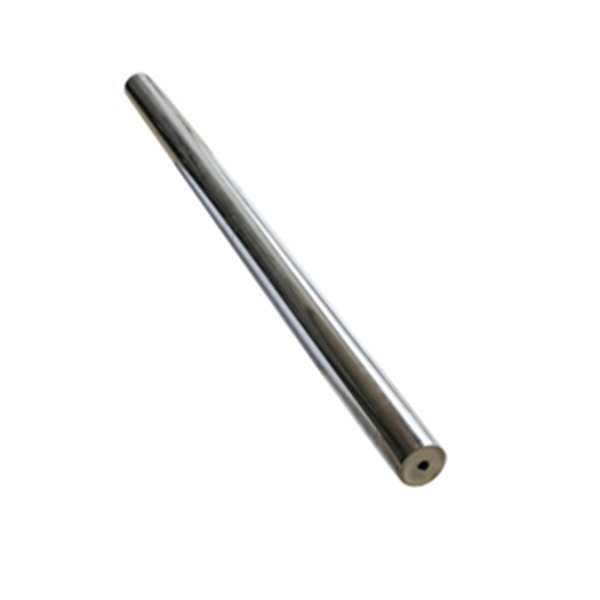
In recent years, the demand for high-performance magnetic materials has surged globally, driven by rapid advancements in sectors such as electronics, automotive, renewable energy, and industrial automation. Among the various types of magnetic materials, rare earth neodymium iron boron (NdFeB) magnets have stood out due to their superior magnetic properties, making them indispensable components in modern technology. At the heart of this industry’s growth is a high-tech enterprise based in Ningbo, founded in 2008, which has steadily established a comprehensive industrial chain for NdFeB magnets — from raw material processing to finished products.
**Building a Strong Foundation in Rare Earth Magnet Production**
Established in 2008, this enterprise has focused exclusively on the research, development, production, and sales of rare earth NdFeB magnets. By dedicating its resources and expertise to this niche, it has positioned itself as a key player in China’s magnet manufacturing industry. The company’s production base, strategically located in Ningbo, leverages the region’s robust industrial infrastructure and logistics advantages to optimize manufacturing efficiency and distribution.
Rare earth NdFeB magnets, known for their high magnetic strength and energy density, are critical in a variety of applications. They serve as the core components in electric motors, generators, magnetic resonance imaging (MRI) machines, and various electronic gadgets. The company’s commitment to innovation and quality has enabled it to produce NdFeB magnets that meet stringent international standards, thereby expanding its presence in both domestic and global markets.
**Complete Industrial Chain: From Blank Materials to Finished Products**
One of the company’s distinguishing features is its vertically integrated industrial chain. While many manufacturers rely on external suppliers for raw materials or semi-finished components, this enterprise maintains control over the entire production process. This ranges from the sourcing of rare earth permanent magnet blank materials to the fabrication of finished NdFeB magnet products.
This integrated approach not only enhances product quality and ensures supply chain stability but also fosters innovation. By managing each stage of production in-house, the company can swiftly respond to market demands and technological changes, customize products for specific customer needs, and maintain competitive pricing.
Moreover, vertical integration mitigates risks associated with fluctuations in raw material availability and cost, a crucial factor given the strategic nature of rare earth elements and their global supply constraints.
**Technological Innovation and Research & Development**
Central to the company’s success is its robust R&D capability. Since its inception, the company has invested heavily in research to improve magnet performance, durability, and manufacturing efficiency. With a team of experienced engineers and scientists, the enterprise continually explores new alloy compositions, advanced production techniques, and novel applications of NdFeB magnets.
The company’s innovation efforts have yielded numerous proprietary technologies that enhance magnetic properties while reducing rare earth content without compromising quality. This is particularly significant as the rare earth supply chain faces geopolitical uncertainties and environmental regulations that impact mining and processing.
In addition, the company prioritizes sustainable manufacturing practices. Efforts to minimize waste, improve energy efficiency, and develop recycling methods for magnets at the end of their lifecycle align with global trends towards greener industrial processes.
**Meeting Growing Market Demands**
The market for rare earth NdFeB magnets is expanding rapidly, fueled by electrification trends and the proliferation of smart devices. Electric vehicles (EVs), which rely heavily on powerful permanent magnets for their motors, represent one of the fastest-growing application areas. Renewable energy technologies, such as wind turbines, also contribute to increasing demand.
Located in Ningbo, the company is well-positioned to capitalize on these growth opportunities. Its proximity to major industrial hubs, ports, and supply chains facilitates swift delivery and flexible production scheduling. This geographic advantage, combined with proprietary manufacturing capabilities, enables the enterprise to better serve key industries both within China and internationally.
Furthermore, customer-centric service models, including tailored product development and after-sales technical support, help solidify long-term client relationships. By understanding specific industrial requirements and collaborating on customized solutions, the company strengthens its reputation as a reliable partner in the magnetic materials sector.
**Contributing to Domestic Industry and Global Competitiveness**
China’s leadership in the rare earth magnet industry is critical to its broader strategy of technological self-reliance. Enterprises such as this Ningbo-based manufacturer play a vital role in supporting national priorities by advancing indigenous capabilities in critical materials.
Through continuous upgrades in production processes, quality control systems, and innovation pipelines, the company contributes to enhancing the overall competitiveness of China’s rare earth permanent magnet industry. This is vital amid growing competition globally and increasing demand for sustainable, high-performance magnetic materials.
**Looking Ahead: Future Prospects and Strategic Development**
As the global economy increasingly pivots towards high technology and green energy, the role of rare earth NdFeB magnets will become even more pronounced. The company’s comprehensive industrial chain and innovation-driven approach position it well to capture emerging opportunities.
Future plans include further expansion of production capacities, diversification of product lines to serve new industries such as aerospace and healthcare, and strengthening strategic partnerships to enhance R&D capabilities. Simultaneously, the company remains committed to sustainability and environmental responsibility, ensuring that growth aligns with ecological stewardship.
In conclusion, the development of magnetic materials at home reflects the dynamic progress within China’s rare earth permanent magnet industry. The enterprise founded in 2008 in Ningbo stands as a testament to this evolution—demonstrating how focused expertise, integrated production, and continuous innovation can drive industry leadership and meet the challenging demands of modern technology markets. As global reliance on NdFeB magnets intensifies, companies like this will undoubtedly play a pivotal role in shaping the future of magnetic materials worldwide.