
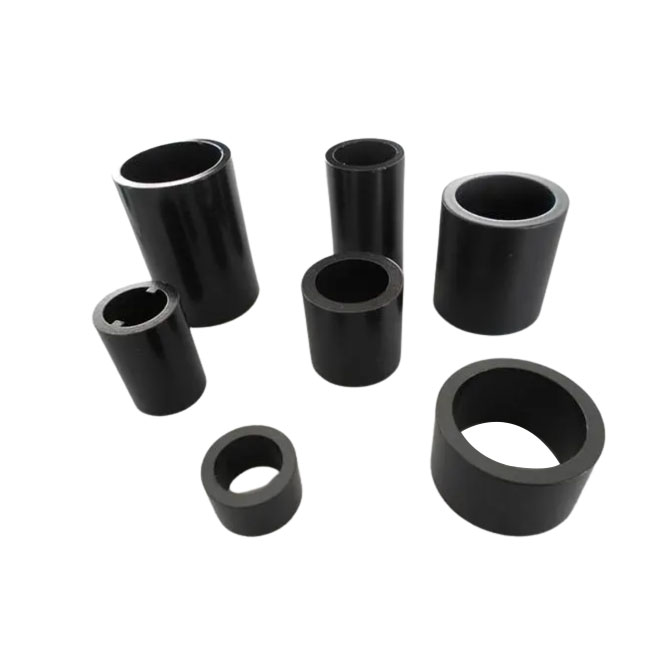
The global market for NdFeB (Neodymium-Iron-Boron) magnets continues to witness substantial growth due to increasing demand across various industrial sectors such as electronics, automotive, renewable energy, and consumer appliances. As one of the most powerful types of permanent magnets, NdFeB magnets have become indispensable in applications requiring high magnetic performance in compact sizes. Recent wholesale trends of NdFeB magnet grades highlight both opportunities and challenges in balancing quality, cost, and supply chain dynamics.
### Market Demand and Industry Overview
NdFeB magnets have long dominated the rare earth magnet sector, earning their reputation for unparalleled magnetic strength and thermal stability. The surge in electric vehicle production, wind turbine generators, and electronic gadgets has further accelerated demand for high-quality NdFeB magnets. Manufacturers are compelled to expand production capacities, innovate new grades with enhanced thermal resistance, and optimize cost structures to stay competitive.
Wholesale markets for NdFeB magnet grades reveal an increasingly sophisticated segmentation, with varying grades tailored to specific application needs. Grades differ in terms of magnetic flux density, coercivity, and maximum operating temperature thresholds. These factors influence the selection of appropriate NdFeB magnets for different industrial purposes, from precision motors in robotics to high-performance permanent magnet synchronous motors (PMSMs) in electric vehicles.
### Supply Chain and Raw Materials
The NdFeB magnet production chain is deeply intertwined with the availability of rare earth elements, principally neodymium, praseodymium, dysprosium, and terbium. These elements are critical in enhancing the magnetic properties of NdFeB magnets, especially their coercivity and resistance to demagnetization at elevated temperatures.
Global supply chain dynamics—affected by geopolitical factors, export regulations, and resource availability—play a crucial role in raw material pricing and availability. Consequently, manufacturers are investing heavily in securing stable sources of rare earth materials and advancing recycling technologies to mitigate supply risks.
### Introducing a Leading Enterprise in NdFeB Magnet Production
Founded in 2008, a Ningbo-based high-tech enterprise has established itself as a key player specializing in the research, development, production, and sales of rare earth NdFeB magnets. The company has developed a comprehensive industrial chain that spans from rare earth permanent magnet blank materials to finished NdFeB magnet products, underscoring its vertical integration and quality control capabilities.
Over the past 15 years, the enterprise has leveraged its robust R&D capabilities to continuously refine NdFeB magnet formulations and manufacturing processes. This commitment to innovation has enabled it to offer a wide range of NdFeB magnet grades that cater to diverse industrial applications while maintaining compliance with increasingly stringent environmental and performance standards.
### Technological Advancements and Product Range
The company’s production base in Ningbo hosts advanced manufacturing facilities equipped with state-of-the-art equipment for magnet pressing, sintering, magnetizing, and surface treatment. This infrastructure supports large-scale production without compromising on precision or consistency.
Their product portfolio includes standard NdFeB magnet grades as well as specialized magnets designed to withstand high-temperature environments or customized shapes to meet customer-specific requirements. For instance, some grades are optimized for use in high-speed motors that demand excellent magnetic stability under thermal stress, while others focus on maximizing magnetic flux density for compact electronic devices.
### Market Position and Strategic Outlook
By integrating the upstream raw material processing and downstream magnet finishing processes, the company achieves tighter control over quality, cost-efficiency, and delivery timelines. This integrated model also facilitates quicker responsiveness to market trends and customer demands—a key advantage in the rapidly evolving rare earth magnet industry.
Furthermore, the enterprise’s sustained investment in R&D underpins its ability to innovate new magnet grades that align with the increasing complexity of modern applications—from electric vehicles and drones to wind turbines and industrial automation.
### Industry Challenges and Future Prospects
Despite robust growth, the NdFeB magnet industry faces challenges including raw material price volatility, environmental regulations, and the need for sustainable manufacturing processes. The industry’s focus is progressively shifting towards greener production methods and the development of recyclable NdFeB materials to reduce ecological impact.
Looking ahead, the company’s strategic emphasis on innovation, quality, and industrial integration positions it well to capitalize on rising global demand for NdFeB magnets. As numerous industries continue transitioning towards electrification and automation, the demand for high-performance permanent magnets is expected to remain strong.
### Conclusion
The NdFeB magnet market is at the forefront of modern industrial innovation, driven by expanding applications and advancing technology. With a well-established production base since 2008 and a complete industrial chain encompassing everything from raw material processing to finished products, leading enterprises are shaping the future of rare earth magnet manufacturing.
Through consistent R&D efforts, adoption of cutting-edge manufacturing technologies, and strategic market positioning, these companies will continue to provide high-quality NdFeB magnet grades that meet the evolving needs of global industries, thereby fueling technological progress and supporting sustainable development goals.
---
*This report aims to provide an insightful overview of the current trends and key players in the NdFeB magnet sector, reflecting the dynamic nature of this critical materials market.*