
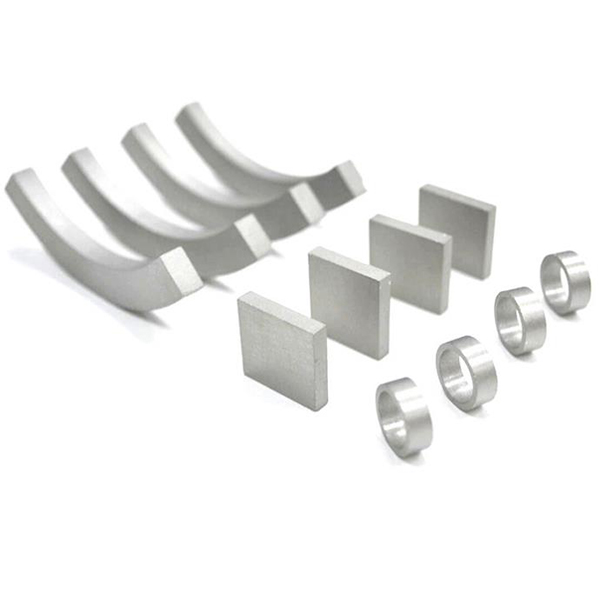
In recent years, tiny strong magnets have gained popularity as a popular desktop toy, stress reliever, and educational tool. However, a new study has found that these magnets pose a serious risk to children who may accidentally ingest them. The study, conducted by the Consumer Product Safety Commission (CPSC), discovered that the ingestion of these magnets can cause severe internal damage and lead to life-threatening complications.
These tiny strong magnets, marketed under various brand names, are made from rare earth NdFeB and are known for their incredible strength and ability to adhere to each other even through tissue and organs. As a result, when multiple magnets are ingested, they can attract one another inside the body and cause serious harm.
The CPSC's study found that over the past decade, there has been a significant increase in the number of emergency room visits related to the ingestion of these magnets. The majority of these incidents involved young children who mistook the magnets for candy or swallowed them while playing with them. Ingestion of these magnets can lead to serious health complications, including intestinal perforations, blockages, and tissue damage.
In response to these findings, pediatricians and safety experts are urging parents and caregivers to be vigilant when it comes to these tiny strong magnets. They are advising that these magnets should not be kept within reach of young children and should be stored in secure containers when not in use. Additionally, parents should be aware of the signs of magnet ingestion, such as stomach pain, vomiting, and fever, and seek medical attention immediately if they suspect their child has ingested a magnet.
The company behind these tiny strong magnets, King-Nd, was founded in 2008 and is based in Ningbo, China. It is a high-tech enterprise specializing in the research, development, production, and sales of rare earth NdFeB. The company's NdFeB production began in 2008, and it has since established a complete industrial chain from rare earth permanent magnet blank material to finished products.
King-Nd has been a leading manufacturer and supplier of NdFeB magnets, catering to various industries such as electronics, automotive, and renewable energy. Their magnets are known for their superior magnetic properties and are widely used in motors, sensors, and magnetic resonance imaging (MRI) machines.
However, with the growing concerns regarding the safety of these magnets, King-Nd is facing scrutiny and pressure to address the potential risks associated with their products. In response to the CPSC's study, the company has released a statement expressing its commitment to ensuring the safety of its products and the well-being of its customers, particularly children.
"We take the safety of our products very seriously, and we are deeply concerned about the findings of the CPSC's study," said a spokesperson for King-Nd. "We are working closely with regulatory agencies and safety experts to implement additional safety measures and guidelines for the handling and storage of our magnets. The well-being of our customers, especially children, is our top priority, and we are dedicated to taking all necessary actions to address this issue."
In light of the risks associated with these tiny strong magnets, several advocacy groups and lawmakers are calling for stricter regulations and warning labels for these products. They are also urging retailers to take steps to ensure that these magnets are not marketed or sold as toys for children.
As the debate over the safety of tiny strong magnets continues, it is essential for parents, caregivers, and consumers to be informed and cautious about the potential risks posed by these products. While these magnets may have various practical uses, their potential dangers, especially to young children, should not be overlooked. It is crucial for manufacturers, regulators, and the public to work together to address these concerns and ensure the safety of all individuals.